How to Use Pizza Dough at Home: Fresh, Frozen & Gluten-Free Guide

Thank you for supporting Everything Dough — we put real craft into every ball of dough we make, and we want you to get the best possible pizza out of it. This guide covers everything you need to know: thawing, rising, stretching, and baking — whether you have a home oven, an Ooni, or a Gozney.


The Golden Rule: Let Your Dough Breathe

No matter which type of dough you have, the single most important step is room temperature rising. Cold dough is tight, resistant, and prone to tearing. Give it time to relax at room temp before you stretch it, and the difference will be obvious.

Frozen Dough

  1. Thaw in the Fridge — 8 to 12 hours Move the dough from freezer to fridge the night before. Keep it in its bag or a sealed container.

  2. Room Temp Rise — 4 to 6 hours Transfer to a lightly oiled bowl, cover with plastic wrap or a damp towel, and let it double in size. This is where the flavor develops.

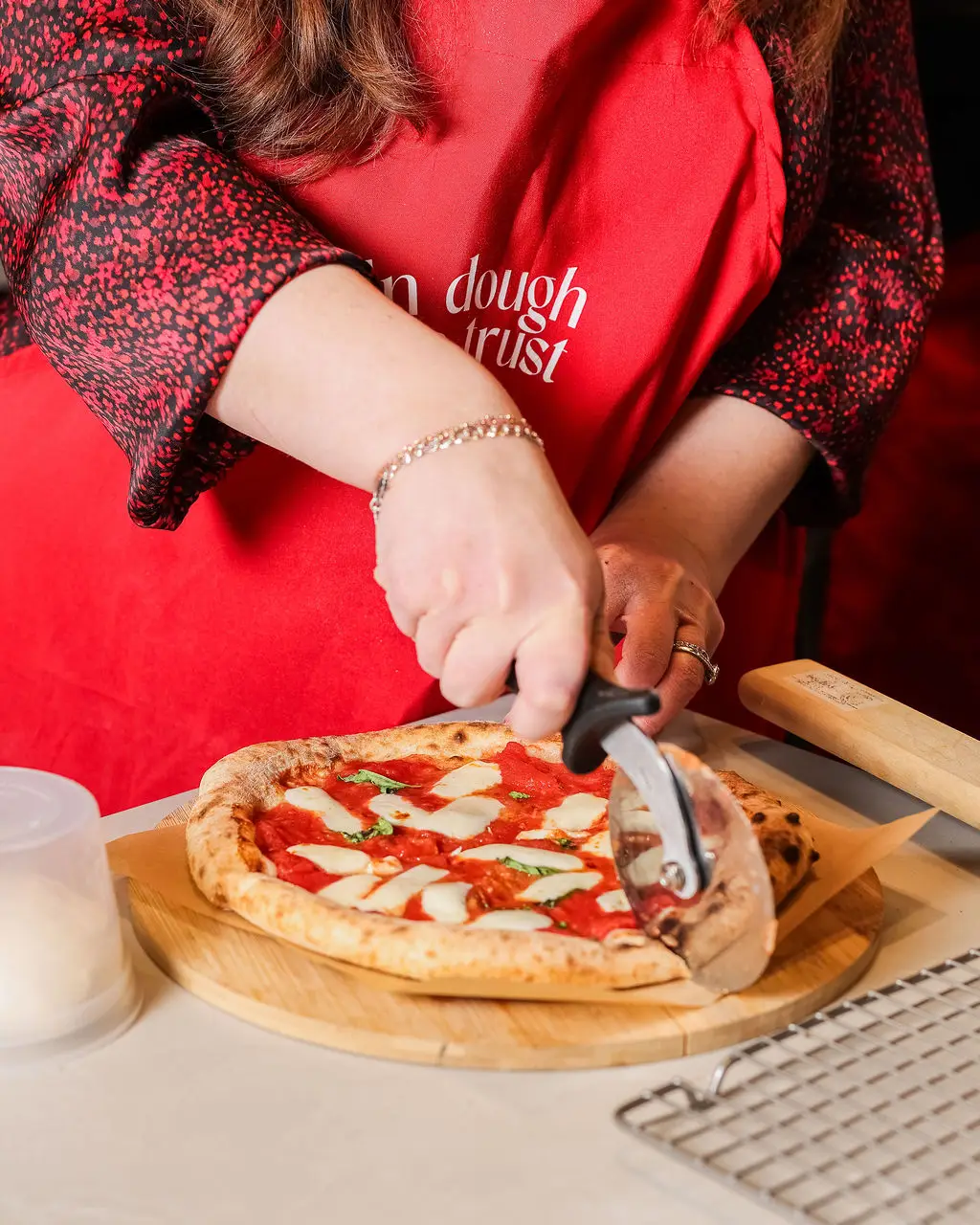
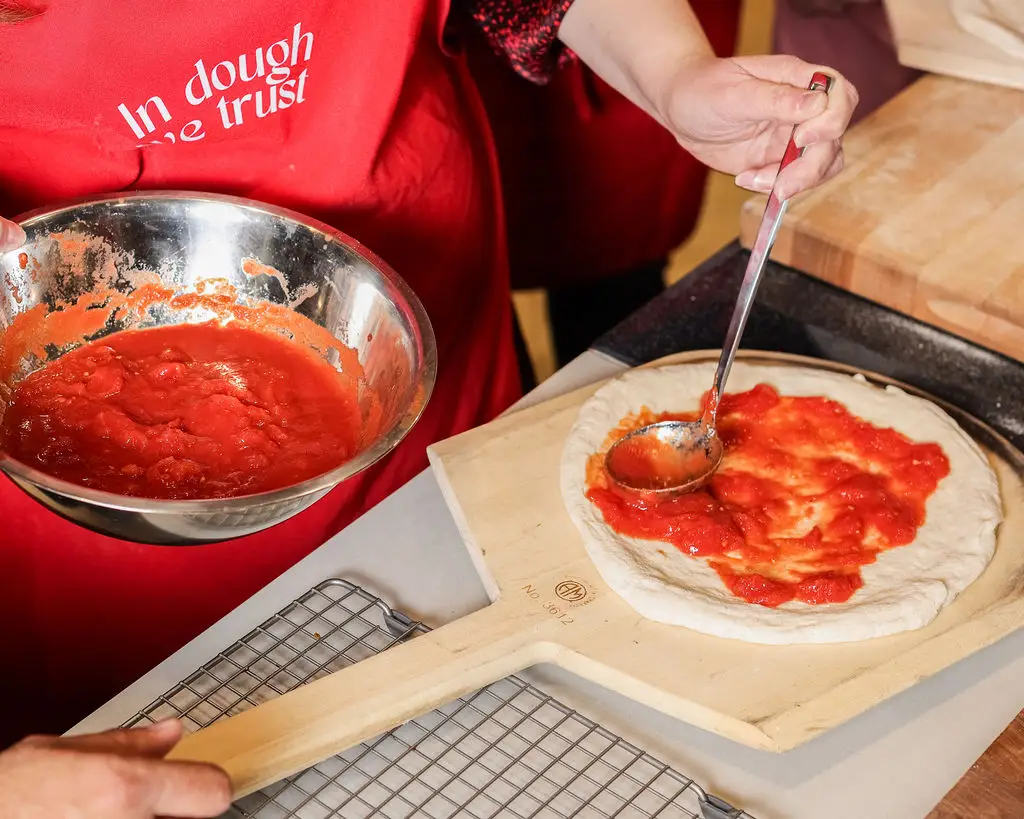
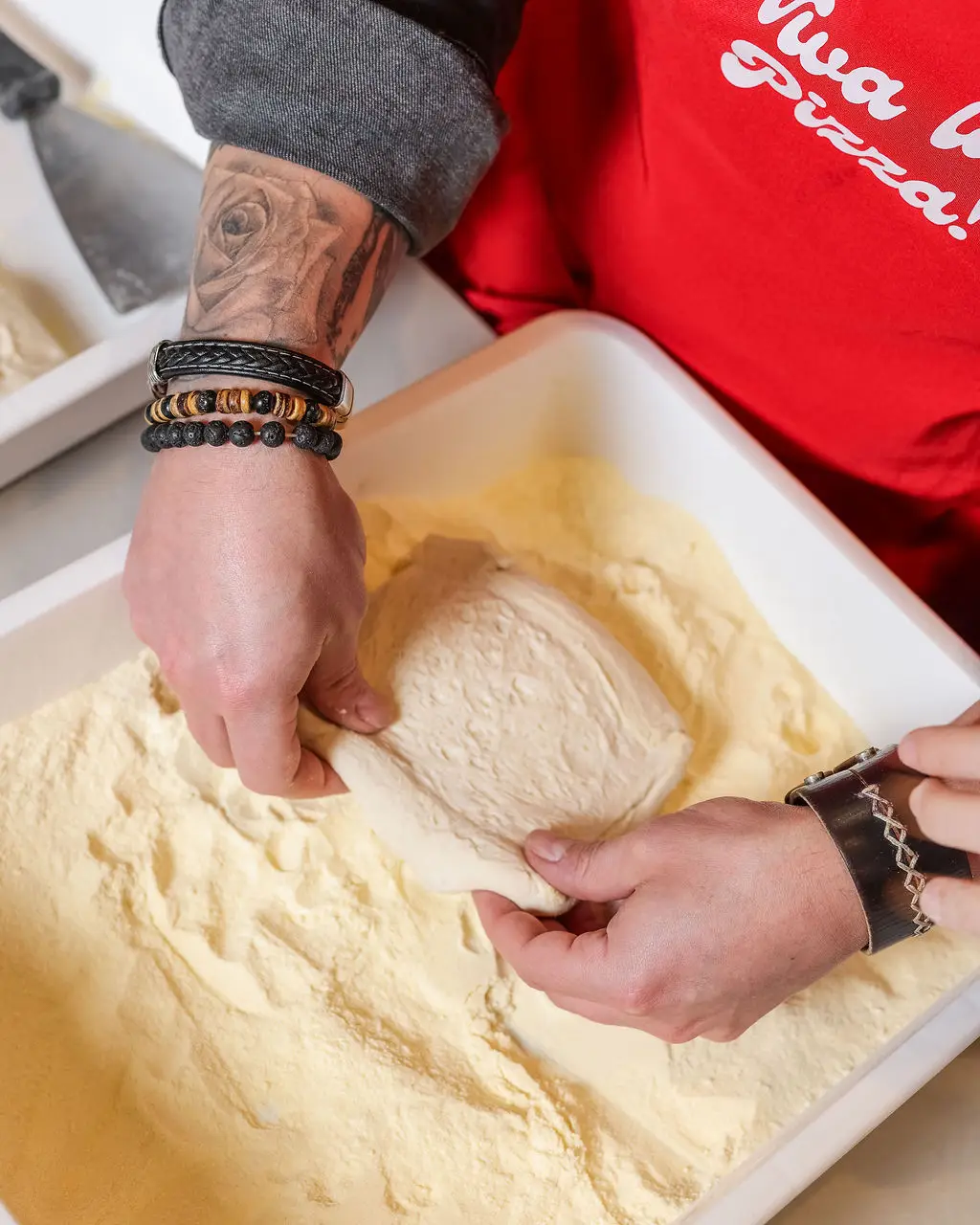
  3. Stretch & Bake Gently stretch by hand from the center outward — never use a rolling pin, which degasses the dough. If it snaps back, let it rest 10 more minutes and try again.

Fresh Dough

  1. Store in the Fridge — up to 3 days Keep it in its container or transfer to an oiled bowl with room to expand.

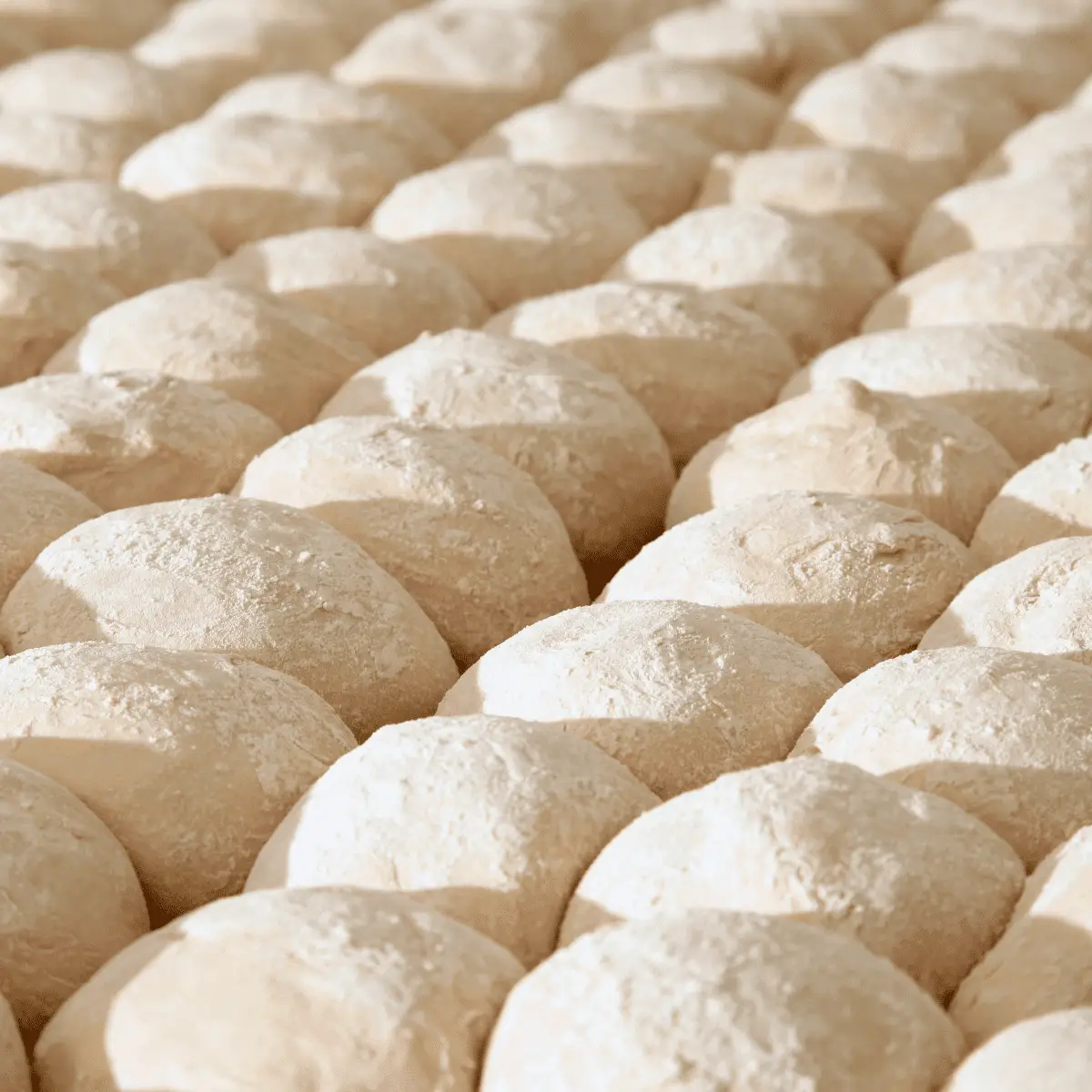
  2. Room Temp Rise — 4 to 6 hours Take it out and let it rest, covered, until it looks puffed and jiggly. This is the sign it’s ready.

  3. Stretch & Bake Use your hands and work gently — fresh dough is more delicate than you’d expect. Avoid pressing down on the edges (that’s your crust).

Gluten-Free Dough (Caputo Fioreglut)

We use Caputo Fioreglut, the gold standard of Italian gluten-free flours, because the result rivals traditional dough in texture and flavor

  1. Room Temp Rise — 2 to 3 hours Remove from the fridge and let it come to room temperature, covered. Gluten-free dough doesn’t need as long as regular dough.

  2. Shaping Gluten-free dough is more fragile — skip the hand-stretching. Press it gently into shape with lightly oiled hands, or roll it between two sheets of parchment paper for a more controlled shape.

  3. Baking Bake on parchment paper on a preheated stone or steel at 500–550°F for 4–6 minutes. Pull the parchment halfway through for extra browning on the bottom. In a high-heat portable oven (Ooni/Gozney), 850°F gives you a restaurant-quality finish.

    • Normal and expected: Gluten-free dough puffs slightly but won’t rise as dramatically as traditional dough. That’s the nature of the flour — not a flaw.

Baking in a Home Oven

Most people are working with a standard home oven, and great results are absolutely achievable.

  • Preheat your oven as high as it goes — typically 500–550°F. Give it at least 45–60 minutes if you’re using a pizza stone or steel. These tools need time to absorb and hold heat.

  • Parchment paper is your friend. Launching onto a stone can be tricky — parchment lets you slide the pizza in without drama. Pull it out after 3–4 minutes once the crust has set.

  • Top lightly. A heavy load of toppings steams the dough instead of crisping it. Less sauce, less cheese — more crust flavor.

  • Bake time: 7–10 minutes depending on your oven and how you like your crust. Watch for golden edges and bubbles on the crust.

Baking in Ooni or Gozney Ovens

Our dough is designed to perform beautifully at high heat.

  • Preheat for at least 30 minutes at max temp — ideally 850–950°F. Use a laser thermometer to confirm the stone is up to temp, not just the air.

  • Flour or semolina your peel generously to prevent sticking. Give the peel a little shake before launching to make sure the dough isn’t stuck.

  • Stretch to 10–12 inches and top lightly — in a high-heat oven, less topping means more even cooking and better leopard-spotted crust.

  • Bake time: 60–90 seconds total, rotating every 20–30 seconds for even color. Keep an eye on it — things move fast at 900°F.

Troubleshooting

My dough keeps snapping back when I stretch it.

It’s still too cold or too tense. Cover it and let it rest another 10–15 minutes, then try again. Patience wins every time.

Your baking surface wasn’t hot enough. Next time, extend the preheat — especially for stone or steel. You can also move the rack to the lowest position in your oven.

Too much moisture from toppings, or not enough flour/semolina on the peel. Build the pizza quickly and launch without hesitation — the longer it sits on the peel, the more likely it sticks.

Make sure the dough had a full room-temp rise before baking. GF dough skips that step and the result suffers.

Ready to Make Some Magic?

Have questions or want to show off your pizza? Tag us on Instagram @byeverythingdough.

Want to go deeper? Check out our Pizza Classes — hands-on sessions where you’ll learn to stretch, sauce, and bake like a pro.
👉 Shop Our Dough

Questions? Please Email us or Fill the Form Below